- Empty cart.
- Continuer vos achats

The Rise of Impressionism in Paris: A Journey into Art and Technology
- Posté sur
Cyril CH
- Catégories: Culture,Featured English
Mise à jour 26 avril 2024 par Redak
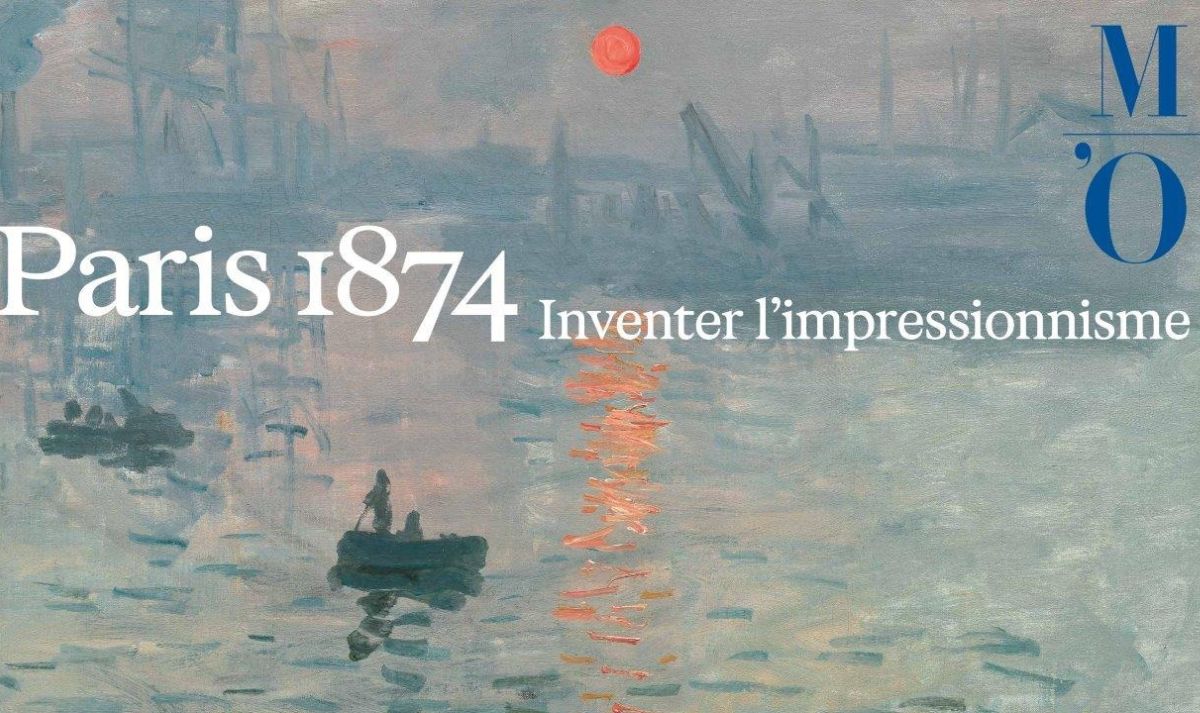
Paris 1874, Cradle of Impressionism
In Paris, the Musée d’Orsay marks the 150th anniversary of impressionism with a major exhibition entitled “Paris 1874. Inventing Impressionism”. This retrospective brings together nearly 160 works, including paintings, pastels, drawings, sculptures and engravings, from collections around the world, particularly the United States. Key pieces such as “Boulevard des Capucines” by Claude Monet and “Classe de Danse” by Edgar Degas, on loan from American institutions, enrich this temporary collection.
A Revolutionary Journey in Art History
The exhibition stands out not only for its wealth of works of art, but also for its innovative approach. The museum has integrated a virtual reality experience allowing visitors to immerse themselves in the atmosphere of the very first Impressionist exhibition in 1874. This historic exhibition, which took place in the studio of photographer Nadar in Paris, was not initially named “Impressionist”. This term was later coined by an art critic, mockingly, in response to Monet’s work, “Impression, Soleil Levant”.
Impressionism Faces the Challenges of its Time
The exhibition reveals how Impressionism, despite a difficult start with only four paintings sold at its first presentation, ultimately revolutionized painting. In a time marked by major upheavals, such as the Franco-German War and the Paris Commune, the Impressionists chose to capture the changing reality of 19th century society. Their innovative themes such as railways, tourism and entertainment emphasized sensation, impression and immediacy, departing from the artistic conventions of their time.
The Immersive Virtual Reality Experience
Perhaps the most innovative aspect of the exhibition is the immersive virtual reality experience. Visitors equipped with VR headsets can interact virtually with iconic figures of Impressionism such as Renoir, Monet and Degas, while discovering recreated scenes of Parisian life of the period. This technology allows not only to visualize but also to experience the historical and artistic context of impressionist creation.
The Musée d’Orsay, a Temple of Impressionism
The Musée d’Orsay, recognized worldwide for its vast collection of Impressionist works, once again asserts itself as a leader in the presentation and interpretation of this crucial artistic movement. With this exhibition, the museum is not only showing works of art; it offers a deep exploration of the social, historical and cultural context that gave rise to Impressionism.
An Innovative Celebration of Art and History
The exhibition “Paris 1874. Inventing Impressionism” at the Musée d’Orsay is more than a simple retrospective; it is a celebration of art, history and technology. It offers a unique perspective on the past while using tools from the future to enrich our understanding of this pivotal moment in art history. It will remain accessible until August 11, extended to welcome visitors to the Paris Olympic Games, thus offering an exceptional opportunity to rediscover Impressionism in a new light.
Exhibition dates:
The retrospective is open from March 26 to July 14. Be sure to check the official Musée d’Orsay website for any updates or changes to dates.
Hours of operation :
The museum is open from 9:30 a.m. to 6:00 p.m. Tuesday to Sunday. It is closed on Monday. Late nights until 9:45 p.m. are offered on Thursdays.
Entry fee :
Prices to visit this special exhibition can vary between €12 and €16. The museum also offers reduced rates for certain categories of visitors such as students, seniors, and children.
Purchase tickets:
To guarantee your entry and avoid long waits, it is recommended to purchase your tickets in advance on the Musée d’Orsay website. Tickets may also be available for purchase onsite on the day of the tour, subject to availability.
Access :
The Musée d’Orsay is located at 1 Rue de la Légion d’Honneur, 75007 Paris. You can get there by metro (line 12, Solférino station), RER C (Musée d’Orsay station), or by various bus lines. Public parking is available nearby for those who prefer to come by car.
Tips for the visit:
- Allow between 1 to 2 hours to fully enjoy the exhibition, without forgetting time to explore other parts of the museum.
- The Musée d’Orsay mobile app can enhance your visit with audio guides and interactive maps.
- Photography for personal use without flash is usually permitted, but check the specific rules for that exposure.
Services :
The museum offers various services including luggage storage, food outlets and a shop where you will find reproductions of works of art, books, and other souvenirs relating to impressionism.
