- Empty cart.
- Continuer vos achats

Science at Versailles: a unique journey to the Science Museum in London
- Posté sur
Damien
- Catégories: Event,Featured English

Mise à jour 16 décembre 2024 par Redak
From 12 December 2024 to 21 April 2025, the Science Museum in London unveils a fascinating exhibition entitled “Versailles: science and splendour”, produced in collaboration with the Palace of Versailles. Through more than 100 works, some of which have never been seen before in the United Kingdom, this retrospective explores the astonishing relationship between science and the court of Versailles, going far beyond the traditional image of frivolity associated with the Ancien Régime.
Science as a tool of power under the kings of France
From the reign of Louis XIV, science became a strategic lever to assert the prestige of the kingdom. With the creation of the Académie des Sciences in 1666, the Sun King initiated a movement that combined intellectual curiosity and spectacular demonstrations. This fascination continued under Louis XV and Louis XVI, who cultivated a personal taste for science, integrating it into their private practices.
Versailles, a laboratory of innovations
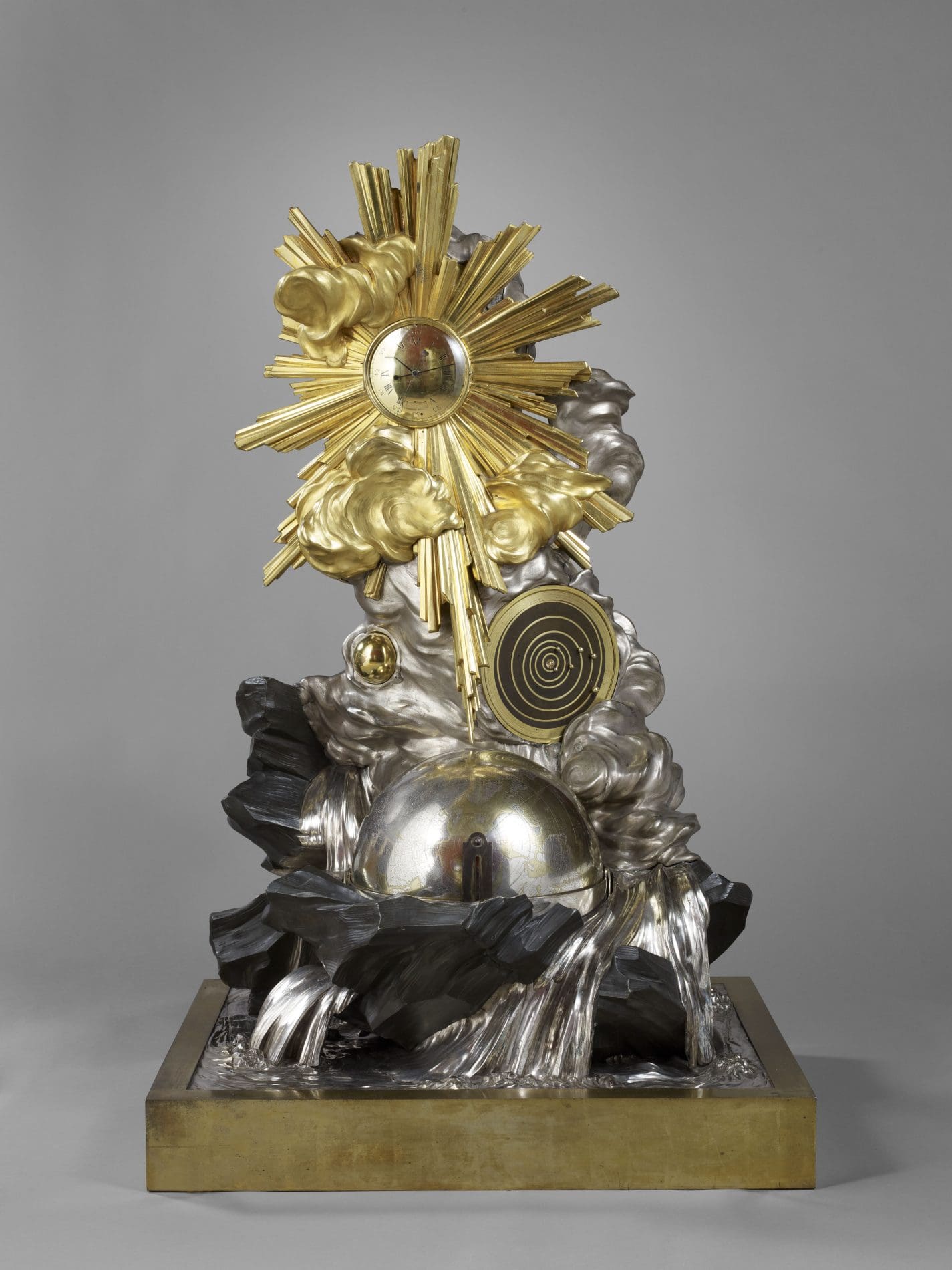
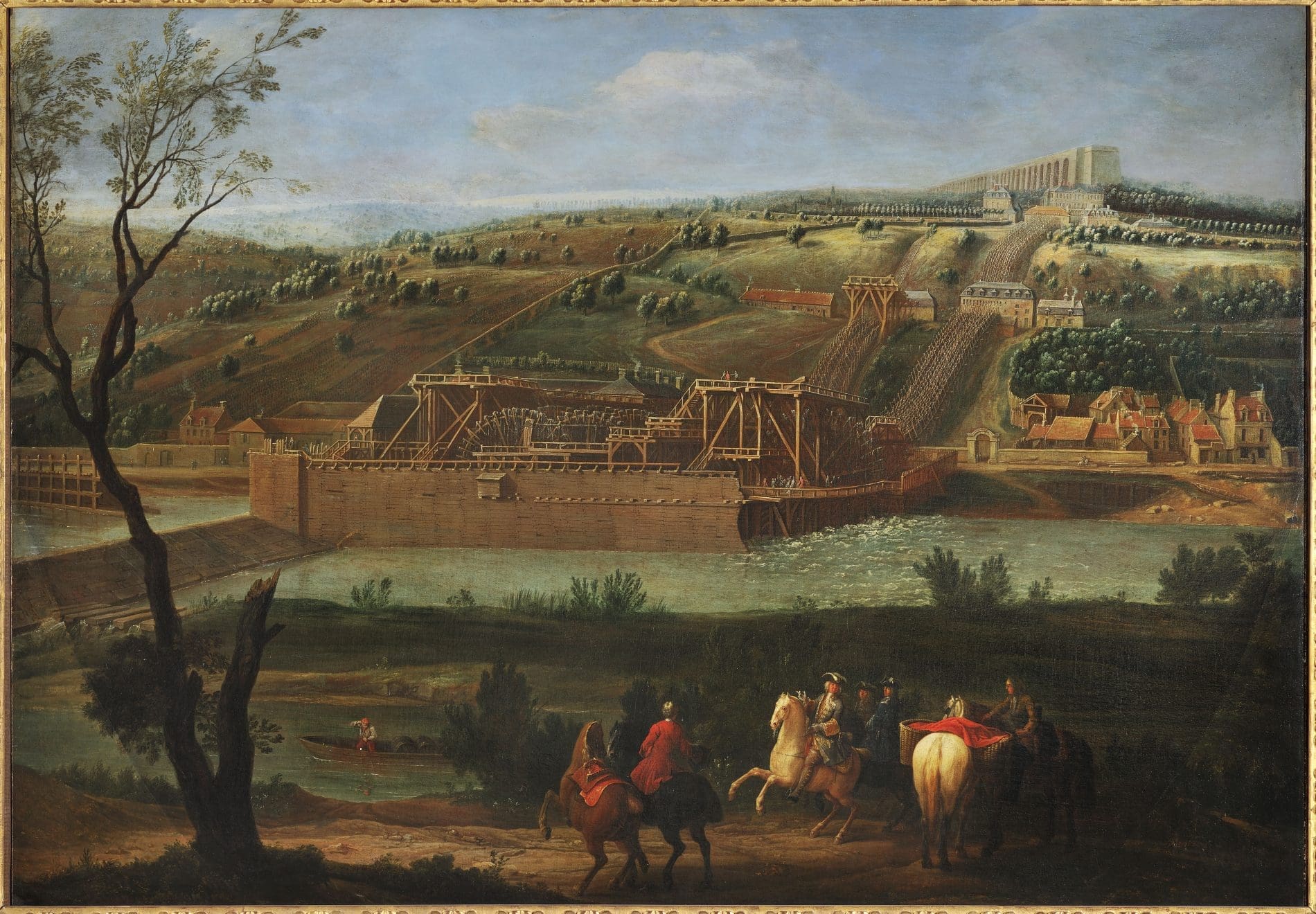
The Palace of Versailles was much more than a royal residence. Its construction itself involved impressive scientific feats: precise layout of the estate, a revolutionary hydraulic system powering the fountains, and much more. But Versailles was also a scene of experimentation. Famous demonstrations include:
- The burning mirror presented to Louis XIV in 1669.
- The first hot-air balloon flight, carried out in 1783 in the courtyard of the palace.
These events illustrated the sovereigns’ desire to place France at the forefront of knowledge.
Prominent figures and varied disciplines
The exhibition will honor personalities who contributed to the scientific progress of the time, whether through research in physics, zoology or even botany. Among them:
- Father Nollet, physicist and tutor of the Enfants de France.
- Emilie du Châtelet, translator of Principia Mathematica by Newton, a major reference in modern science.
- Madame du Coudray, a pioneer midwife in the training of her colleagues, having contributed to reducing infant mortality.
Visitors will also discover objects of rare beauty: a optical microscope made for Louis XV, a map of the Moon by Cassini, and the famous anatomical mannequin of Madame du Coudray.
Treasures never before exhibited in the United Kingdom
Among the unpublished works, some testify to the refinement and scientific interest of the court. You will find there:
- Pineapple in a pot, painting by Jean-Baptiste Oudry.
- The Rhinoceros of Louis XV, on loan from the National Museum of Natural History in Paris.
- Astronomical instruments, celestial globes and artistic works evoking great expeditions, such as that of La Pérouse in 1785.
An immersion in the heart of a little-known Versailles
Thanks to this collaboration between the Palace of Versailles and the Science Museum, visitors to London will have the opportunity to explore a unique facet of French history. Versailles appears as a center of reflection and experimentation, where science and the art of living come together for the pleasure of kings and the wonder of their court.
Practical information
- Dates : from December 12, 2024 to April 21, 2025
- Place : Science Museum, London
- Police station : Anna Ferrari, with the scientific participation of the Palace of Versailles
- Website : Science Museum

Damien
Je suis Damien Lagrange, auteur pour AuctionLab. Titulaire d'un diplôme en journalisme obtenu à Londres, je nourris une passion pour l'art et les ventes aux enchères depuis plus de dix ans. Intégré à l'équipe éditoriale d'AuctionLab depuis 2017, je prends plaisir à explorer les archives des maisons de vente aux enchères, cherchant à découvrir les histoires cachées derrière les objets proposés.
Tous les articles de l’auteur